Dentist's Guide to Effectively Control Periodontal Disease
Reasons for Uncontrolled Periodontal Disease
-
Insufficient Treatment: Routine cleaning or scaling and root planing without thorough recording and follow-up may not completely remove subgingival calculus and periodontal pathogens, which is crucial for recovery.
-
Difficulty in Self-Assessment: Patients find it hard to determine whether subgingival calculus is entirely removed. Thus, trusting a skilled and detail-oriented dentist or periodontist is essential.
-
Inadequate Self-Maintenance: Good oral hygiene habits and regular self-care are vital for controlling periodontal disease.
Treatments for Periodontal Disease
-
Non-Surgical Treatment: Scaling and root planing can remove plaque and calculus, reducing inflammation. (extended reading : Learn about the causes, symptoms, effects and treatment of periodontal disease in one article!)
-
Surgical Treatment: In severe cases, surgery may be necessary to repair damaged gums and bone, including regenerative procedures to restore lost tissue.
-
Detailed Recording and Follow-Up: Professional periodontal treatment requires thorough medical records and post-treatment follow-up to ensure subgingival calculus and pathogens are completely removed.
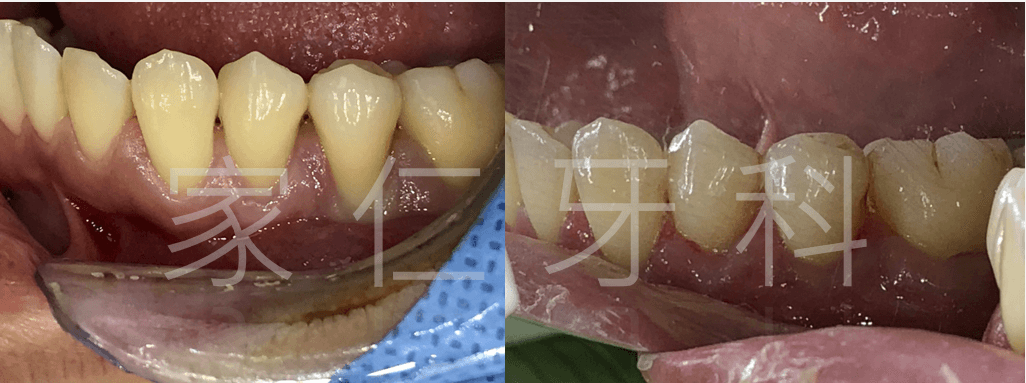
Gum graft surgery pre and post-op comparison to regenerate receded gums.
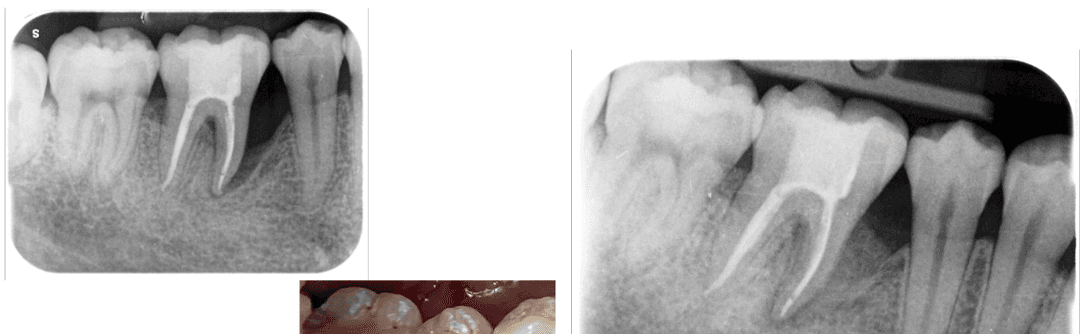
Pre and post-op X-ray comparison showing bone regeneration after regenerative surgery.
Key Steps for Successful Management of Periodontal Disease
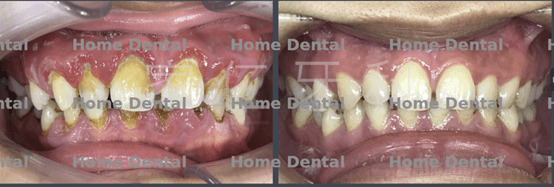
Periodontitis treatment before and after comparison, showing significant gum health improvement.
The Importance of Trustworthy Dentists and Periodontists
-
Thorough removal of subgingival calculus and periodontal pathogens, ensuring effective treatment.
-
Personalized oral hygiene guidance, creating a cleaning plan tailored to each patient's needs.
-
Regular monitoring and adjustments to ensure the patient's periodontal disease is continuously controlled.
The Importance of Patient Self-Maintenance
-
Good oral hygiene habits: Brushing and flossing daily to keep the mouth clean.
-
Regular follow-ups: Adhering to the dentist's recommendations for routine dental check-ups and cleanings.
-
Personalized cleaning methods: Using suitable cleaning tools and techniques as advised by the dentist.
Conclusion
FAQs
1. Why should I think twice about cheap periodontal treatments?
Choosing the cheapest dental clinic might seem tempting, but it often comes with trade-offs that can affect your periodontal health. Higher fees at some clinics can reflect the quality of care provided, including the extent of deep cleaning or treatment necessary. More complex procedures demand greater time, resources, and expertise, which lower-cost options may not offer. Moreover, the experience level of the dentist plays a crucial role in outcomes. Specialists, with their advanced training, can deliver better results, justifying their higher rates.
2. How does periodontal disease impact my overall health?
Periodontal disease isn't just about your mouth—it can affect your entire body! Studies have shown that untreated gum disease is linked to bigger health problems like heart disease, diabetes, and even respiratory issues. The inflammation from gum disease can ramp up systemic inflammation, making these issues worse. On top of that, poor oral health can complicate diabetes management since gum infections can throw a wrench in blood sugar control. So, keeping your gums healthy is crucial not just for your smile but for your overall well-being. Regular dental check-ups and preventative care can help you stay on top of your health game!
Schedule a professional periodontal treatment appointment today to safeguard your oral health.
You can schedule a consultation through the following methods:
• Click the WhatsApp button on our website (Preferred method) - Contact us immediately!
• Call 3956 9387 (during office hours)
If you would like to learn more about periodontal treatment, click HERE to take a quick look at our educational articles.