Wisdom Teeth Removal Surgery Guide: Key Factors for Quick Recovery
Introduction to Wisdom Teeth Removal
Wisdom teeth, or third molars, typically emerge between the ages of 17 and 25, often raising questions and concerns. A common myth is that wisdom teeth always cause problems and must be removed. In reality, not all wisdom teeth need extraction—only those that are impacted, misaligned, or causing discomfort or oral health issues.
Due to limited space in the jaw, wisdom teeth can grow at awkward angles or fail to fully erupt, becoming partially or fully impacted. This can lead to a range of complications, such as pain, swelling, infections, or damage to neighboring teeth. If left untreated, impacted wisdom teeth may cause cysts, gum disease, or even jawbone damage. Another misconception is that the removal process is always painful and risky. However, with modern dental techniques and anesthesia, wisdom teeth extraction has become a safe and relatively straightforward procedure.
Timely removal of problematic wisdom teeth by a skilled dentist not only prevents potential complications but also ensures a smoother recovery. Understanding the facts about wisdom teeth and their removal process helps patients make informed decisions and maintain optimal oral health.
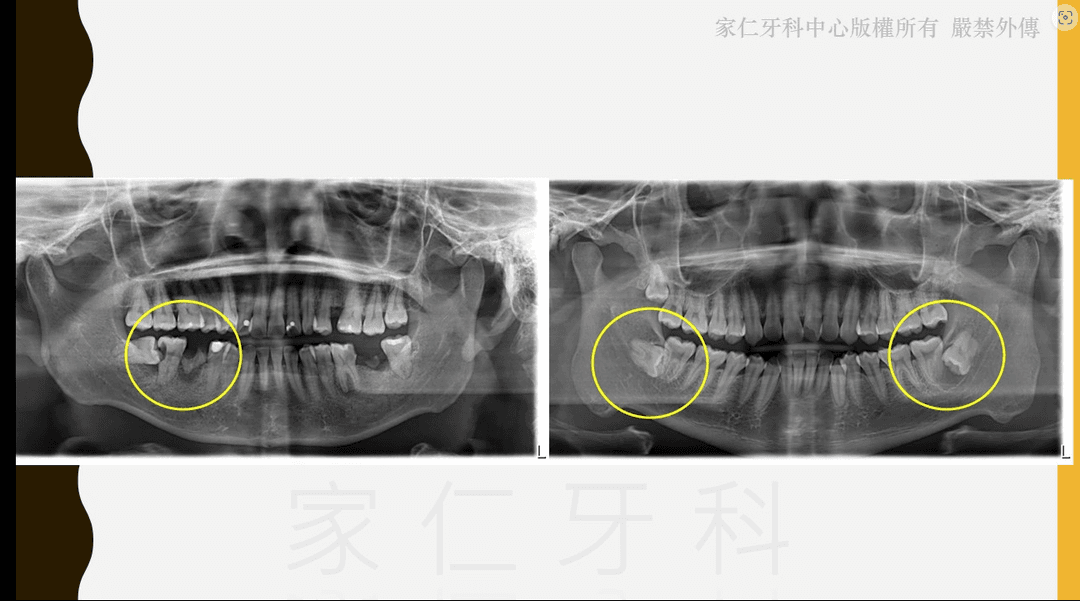
The Wisdom Teeth Removal Process
Wisdom teeth removal is a step-by-step process that ensures both safety and effectiveness when performed by an experienced dental team. Here’s what to expect:
1. Preoperative Preparation Before the procedure, the dentist conducts a comprehensive assessment, including X-rays or 3D imaging, to evaluate the position, angle, and depth of the wisdom teeth. This detailed examination helps identify potential complications, such as impacted teeth or curved roots, and allows the dentist to tailor the surgical plan accordingly. Patients are also provided with pre-surgery instructions, such as fasting requirements if sedation or general anesthesia is planned.
2. Anesthesia To ensure a painless experience, local anesthesia is administered to numb the surgical area. For patients with higher anxiety levels or for more complex extractions, sedation options such as nitrous oxide (laughing gas) or IV sedation may be used. These methods help patients stay calm and comfortable throughout the procedure.
3. Removing the Wisdom Teeth The dentist will use precise techniques to remove the wisdom teeth based on their position and depth. For fully erupted teeth, the extraction is straightforward. However, impacted or partially erupted teeth may require an incision in the gum and removal of some bone. Proper sectioning techniques ensure that the tooth is extracted safely, reducing the risk of complications such as root fractures, soft tissue damage, or nerve injury. This careful approach minimizes trauma and helps prevent postoperative swelling, infection, and pain.
4. Suturing and Hemostasis Once the teeth are removed, the dentist will clean the area thoroughly, suture the incision, and apply pressure or hemostatic agents to control bleeding. Proper wound closure promotes faster healing and reduces the risk of infection. Patients receive detailed aftercare instructions, including how to manage the wound, maintain oral hygiene, and avoid activities that could disrupt healing, such as smoking or using straws.
5. Post-Surgery Follow-Up Follow-up appointments are a vital part of the wisdom teeth removal process and distinguish an outstanding clinic from an average one. While many busy clinics may overlook this step, high-quality clinics prioritize follow-ups to ensure a smooth recovery. During these appointments, the dentist carefully examines the surgical site to monitor healing progress, address any patient concerns, and remove sutures if necessary. Early detection of potential complications, such as dry socket, infection, or excessive swelling, can prevent more serious issues.
A comprehensive follow-up also includes personalized advice for maintaining oral hygiene and managing pain effectively. Clinics that excel in aftercare often provide easy access to their dental team for any urgent concerns, ensuring patients feel supported throughout the recovery process. This level of attention not only accelerates healing but also reassures patients, giving them confidence in their care. High-quality postoperative support is a hallmark of an outstanding clinic, offering patients peace of mind and a superior overall experience.
Wisdom teeth extraction is a significant procedure that requires careful consideration. By choosing a high-quality dental clinic in Hong Kong, patients can ensure safe and effective treatment, minimize risks, and enjoy a smoother recovery. Prioritizing clinics with experienced professionals, advanced technology, and comprehensive care will lead to the best possible outcomes for long-term oral health.

Factors for Successful Surgery and Quick Recovery
-
Doctor's Experience and Skill:
-
If the roots are curved, planning how to section the roots for removal is crucial. Accurate sectioning helps prevent root tip fractures and excessive damage to nerves and surrounding tissues, reducing short-term and long-term complications.
-
For wisdom teeth roots close to nerves, precise sectioning is needed again to ensure the roots are removed with minimal pressure. Sometimes, coronectomy is required, which needs the judgment of an oral surgeon to minimize long-term impact on the patient's quality of life.
-
A common misconception is that non-surgical treatment is always better than surgical treatment. In fact, like childbirth, surgery can prevent certain complications and shorten recovery time in some clinical situations. Improper sectioning or prolonged removal process for some impacted wisdom teeth can lead to other complications, including excessive damage to surrounding tissues, long-term pain, and swelling, increasing patient suffering.
-
-
Equipment and Environment: Advanced equipment and a sterile environment reduce the risk of infection and enhance surgical safety.
-
Postoperative Care: Following the doctor's instructions for oral care, avoiding vigorous rinsing and smoking, helps reduce bleeding and infection risks.
-
Personal Health Condition: Individual health conditions also affect recovery speed. Good lifestyle habits and nutrition contribute to faster recovery.
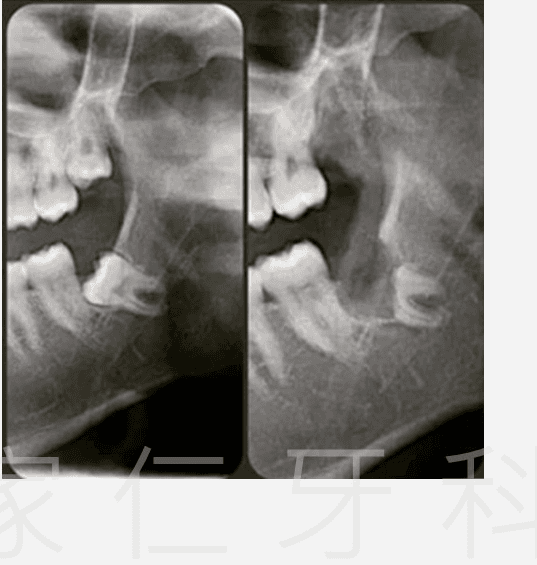
An X-ray pre and post-op illustration demonstrating a technique called coronectomy for accurate sectioning of wisdom teeth to minimize the risk of nerve damage with close proximity of the root.
Why Choose a High-Quality Dentist and Dental Clinic?
When considering wisdom teeth extraction, the choice of a dentist and dental clinic is critical to ensuring safety, comfort, and successful recovery. While wisdom tooth removal is a common procedure, it is not without risks. Patients should understand these potential risks and the importance of selecting a reputable clinic in Hong Kong.
Risks and Side Effects of Wisdom Teeth Extraction
Understanding the possible complications highlights why high-quality care is essential. Some common risks include:
-
Infection: Post-extraction infections can occur if the wound is not properly managed, leading to swelling, pain, or abscess formation.
-
Prolonged Bleeding: Some patients experience excessive bleeding due to improper clot formation or underlying medical conditions.
-
Dry Socket: If the blood clot dislodges prematurely, the bone and nerves may become exposed, causing severe pain and delayed healing.
-
Nerve Damage: During extraction, surrounding nerves may be injured, potentially resulting in numbness, tingling, or loss of sensation in the lips, tongue, or chin.
-
Jawbone Complications: Excessive force during extraction may cause fractures, bone spurs, or damage to adjacent teeth.
-
Sinus Issues: For upper wisdom teeth, improper extraction can lead to sinus perforation, which may require further treatment.
Benefits of Choosing a High-Quality Dental Clinic in Hong Kong
-
Minimized Risk of Complications
-
High-quality clinics use advanced diagnostic tools, such as 3D imaging, to accurately plan and execute extractions, reducing trauma to surrounding tissues.
-
Experienced dental professionals follow strict protocols, ensuring safe and efficient procedures.
-
-
Access to Expert Dental Teams
-
Reputable clinics employ highly trained and experienced dentists who specialize in wisdom teeth removal.
-
Their expertise allows them to handle complex cases and anticipate potential risks, providing tailored care to each patient.
-
-
State-of-the-Art Technology
-
Modern equipment enhances precision and reduces the likelihood of complications.
-
Tools such as digital X-rays and laser technology improve the overall patient experience by making procedures less invasive and more comfortable.
-
-
Comprehensive Postoperative Care
-
Detailed aftercare instructions help patients manage pain, reduce swelling, and prevent infection.
-
Follow-up appointments ensure that healing is progressing as expected and allow for the early detection of any complications.
-
-
Strict Hygiene and Safety Standards
-
High-quality clinics adhere to rigorous sterilization protocols, reducing the risk of infections and ensuring a safe environment for every patient.
-
-
Enhanced Patient Comfort and Support
-
A patient-centered approach prioritizes comfort and reduces anxiety, ensuring a more positive experience.
-
Clinics often offer sedation options and modern pain management techniques to minimize discomfort during and after the procedure.
-
Why Substandard Care Can Be Risky
Opting for less reputable clinics may expose patients to unnecessary risks, such as:
-
Higher chance of complications due to outdated technology or less experienced practitioners.
-
Inadequate postoperative support, which can lead to prolonged recovery and untreated complications.
-
Potential need for corrective procedures, increasing overall costs and inconvenience.
What to Look for in a High-Quality Dental Clinic?
To ensure the best care, consider the following when selecting a clinic for wisdom teeth extraction in Hong Kong:
-
Reputation and Reviews: Check patient testimonials and online reviews to assess the clinic’s reputation.
-
Qualified Dentists: Verify the credentials and experience of the dental team.
-
Advanced Technology: Ensure the clinic uses modern equipment and techniques.
-
Location and Accessibility: Consider clinics in convenient locations for easy access.
Alleviating Patient Concerns
Many patients feel fearful and anxious about wisdom teeth removal surgery, which is understandable. Modern dental technology and anesthesia have made this surgery relatively simple and painless. During the procedure, patients can feel relaxed and comfortable, knowing they are in safe hands. Depending on the complexity of the case, wisdom teeth removal can be either surgical or non-surgical.
-
Non-Surgical Extraction: For fully erupted wisdom teeth, the procedure is typically straightforward, involving minimal invasion and quicker recovery.
-
Surgical Extraction: Impacted wisdom teeth or those growing at an angle may require more complex surgical intervention. This involves creating an incision to access the tooth, but with modern techniques, the process remains safe and efficient.
How Clinics Help Ease Anxiety?
-
Patient-Centered Communication: High-quality clinics take time to discuss the entire process, from pre-surgery preparation to postoperative care. This transparency reassures patients by eliminating uncertainty.
-
Soothing Clinic Environment: Modern clinics focus on creating a calm and welcoming atmosphere. From comfortable waiting areas to friendly staff, every detail helps reduce patient anxiety.
-
Tailored Sedation Options: Depending on the patient’s level of anxiety and medical history, clinics may offer local anesthesia, nitrous oxide (laughing gas), or IV sedation to ensure a stress-free experience.
-
Clear Postoperative Guidance: Detailed written and verbal instructions on post-surgery care, including how to manage swelling, pain, and diet adjustments, help patients feel more in control and reduce recovery-related worries.
-
Proactive Follow-Ups: Scheduled follow-up calls or visits allow patients to discuss concerns and ensure proper healing, providing reassurance throughout the recovery process.
-
Emergency Contact Access: Patients are given a direct line for urgent questions or complications, ensuring immediate support when needed.
Choosing an experienced dentist and a high-quality dental clinic helps reduce surgical risks and improves recovery outcomes. By focusing on patient care and providing comprehensive support, these clinics ensure that wisdom teeth removal is a smooth and worry-free process.
Frequently Asked Questions:
-
How much does wisdom teeth extraction cost in Hong Kong? The cost typically ranges from HKD5,000 to HKD10,000+, depending on several factors. Different clinics may offer varying prices due to differences in:
-
Dentist’s Experience and Expertise: More experienced dentists, particularly specialists in oral surgery, often charge higher fees due to their advanced skills and ability to handle complex cases.
-
Clinic Facilities and Equipment: Clinics equipped with state-of-the-art technology, such as 3D imaging and laser tools, may have higher operating costs, which can affect the price of the procedure.
-
Scope of Services: Comprehensive packages that include pre-surgery consultations, sedation options, postoperative care, and follow-up visits may cost more but offer greater value and convenience.
While some clinics may offer lower prices, it’s important to consider whether the cost-cutting compromises the quality of care, such as outdated equipment, less experienced staff, or limited aftercare support. Investing in a reputable clinic ensures safer procedures, better outcomes, and peace of mind during recovery.
-
-
What is the success rate of wisdom teeth surgery in Hong Kong? The success rate of wisdom teeth removal surgery in Hong Kong is usually high. Key factors influencing success include the dentist’s skill, the complexity of the tooth’s position, and the patient’s overall health. Most patients recover quickly and experience relief from discomfort caused by impacted teeth.
-
Why shouldn’t I choose the cheapest wisdom tooth removal dentist? Opting for the cheapest option might compromise the quality of care. Lower prices could mean outdated equipment, limited expertise, or inadequate aftercare, increasing the risk of complications. Patients should consider the dentist’s experience, clinic facilities, and the quality of postoperative care before deciding.
-
Does faster extraction mean the procedure is easier? Not necessarily. While faster extractions may indicate efficiency, they do not always reflect the complexity of the surgery. Some extractions are straightforward, while others are challenging but completed quickly due to the dentist’s skill and experience. Each case is unique and requires careful planning.
-
What types of anesthesia are used for wisdom teeth removal? Depending on the complexity of the extraction and the patient’s comfort level, dentists may use local anesthesia, nitrous oxide (laughing gas), or IV sedation. The choice ensures the patient’s safety and comfort during the procedure.
-
How long does wisdom teeth removal take? The procedure typically takes 30 minutes to an hour. However, this may vary based on the complexity of the extraction and the number of teeth being removed.
-
What should I eat after wisdom teeth removal? Soft foods like soups, mashed potatoes, yogurt, and smoothies are recommended during the initial recovery period. Avoid hard, spicy, or hot foods to prevent irritation or damage to the surgical site.
-
What are the signs of complications after surgery? Symptoms like excessive bleeding, severe pain, swelling beyond three days, or fever may indicate complications. Patients should contact their dentist immediately if these occur.
-
Can I go back to work or school after wisdom teeth removal? Most patients take 1-2 days off to rest. However, this depends on the complexity of the surgery and individual recovery. It’s advisable to avoid strenuous activities during the initial healing phase.
-
Are follow-up visits necessary? Yes, follow-up visits are essential to ensure proper healing and to address any potential complications. Your dentist will check the surgical site and remove stitches if necessary.
-
Is wisdom teeth removal covered by insurance? Some insurance plans cover the procedure, especially if it is deemed medically necessary. Patients should check with their provider to confirm coverage and any associated costs.
-
How do I know if I need wisdom teeth removal? Common signs include pain, swelling, difficulty opening the mouth, or recurrent infections in the back of the mouth. A dental X-ray can confirm the need for extraction.
-
Do all wisdom teeth need to be removed? Not always. If wisdom teeth are healthy, fully erupted, properly aligned, and do not cause pain or infections, they may not need removal.
-
What happens if I delay wisdom teeth extraction? Delaying removal can lead to more severe issues like infections, damage to adjacent teeth, and the formation of cysts. Early assessment by a dentist can prevent these complications.
Contact Home Dental today to schedule a tooth extraction consultation and let us provide you with the most suitable treatment plan.
How to make an appointment
1. WhatsApp button on the website (priority recommendation) - contact us instantly!
2. Call 3956 9387 (during office hours)
If you would like to learn more about tooth extraction, please click here to read our educational article for a quick look.