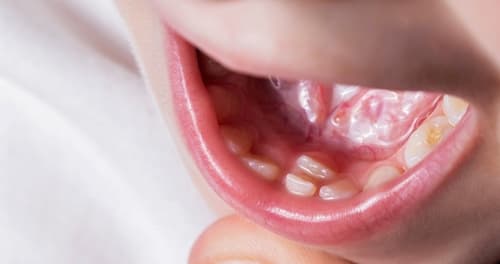
Every child is a star and treasure in their family, and their health and happiness are the primary concerns of parents. However, while focusing on a child's overall health, the importance of oral health is often overlooked, yet it is closely linked to their growth. From the emergence of the first baby tooth to a dazzling smile, every tooth bears witness to a child's growth. Good dental health isn't just about daily diet; it's also fundamental to a child's confidence and social abilities. But many parents might not fully grasp the expertise and unique aspects of pediatric dentistry, often opting for unsuitable dental services, which might lead to missing the best dental care opportunities for their children.
For this reason, this article introduces nine major pediatric dental services: regular check-ups, teeth cleaning, baby teeth fillings, pediatric root canal treatment for baby teeth, baby tooth extractions, children's orthodontic braces, fluoride use, dental sealants fissure and monitored anesthesia treatment when necessary, helping parents to fully understand and ensure their children have healthy teeth and beautiful smiles from a young age!
Pediatric Dental Service #1: Routine Check-ups
Regular dental check-ups are crucial for maintaining children's oral health. Unlike adults, children's teeth are still in the development phase, thus facing more variables and challenges.
Reason for Treatment:
These regular check-ups not only assist in the early detection and prevention of potential dental issues but also foster a positive interaction between children and their dentist. Through these consistent visits, children's fear or apprehension about seeing the dentist will gradually diminish.
Treatment Process:
Regular check-ups in pediatric dentistry are tailored to address the unique oral health needs of children. During these examinations, dentists conduct a thorough assessment of tooth growth, alignment, and early gum issues. They also utilize tools like X-rays to gain an in-depth understanding of internal dental conditions, such as the development of permanent teeth and potential cavities.
Differences from Adult Treatment:
Beyond basic examinations, pediatric dentistry places a significant emphasis on the educational aspect. Dentists or dental hygienists teach children proper brushing and flossing techniques and offer parents advice on nutrition and oral care. This guidance is crucial for the long-term dental health of children.
The routine dental check-ups for children are much more than just tooth examinations. They aim to establish a foundation of healthy oral care practices for young ones, ensuring they maintain healthy teeth well into the future.
Pediatric Dental Service #2:Teeth Cleaning
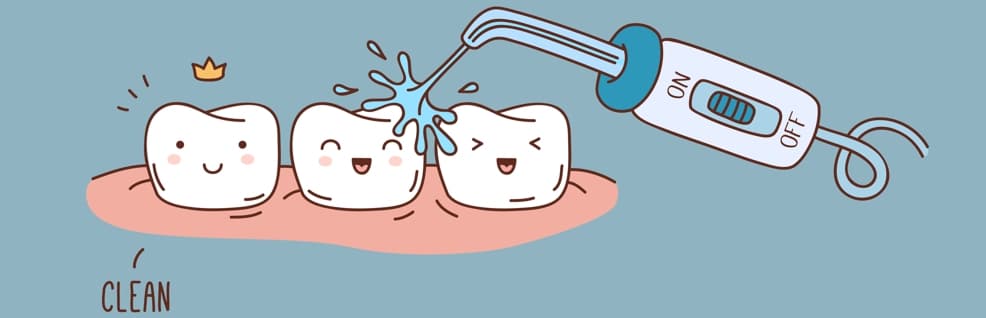
In children, the accumulation of plaque and tartar is a common issue. Due to their unique dietary habits and oral environments, these build-ups can differ from those in adults. Regular teeth cleaning is essential to maintain the oral health of young ones.
Reason for Treatment:
Regular teeth cleaning helps prevent dental and gum issues such as cavities and gingivitis. The teeth of children, particularly their baby teeth and early permanent teeth, require special attention and care to ensure their healthy development.
Treatment Process:
The cleaning process, conducted by a dentist or dental hygienist, begins with the use of professional tools like ultrasonic scalers to remove plaque and tartar from the tooth surfaces. Following this, teeth are gently polished with gritty toothpaste to smooth the tooth surfaces. In some cases, the dentist might recommend fluoride treatment to strengthen the child’s teeth.
Differences from Adult Treatment:
Children's teeth cleaning treatments focus not only on basic cleaning but also emphasize prevention and education. Care is taken to ensure that the children feel comfortable and unafraid during the treatment, and they are taught proper brushing techniques and other oral care methods.
Regular dental cleanings for children do more than just maintain oral health; they help to instill good oral hygiene practices, laying a solid foundation for their future.
Pediatric Dental Service #3:Baby Teeth Fillings
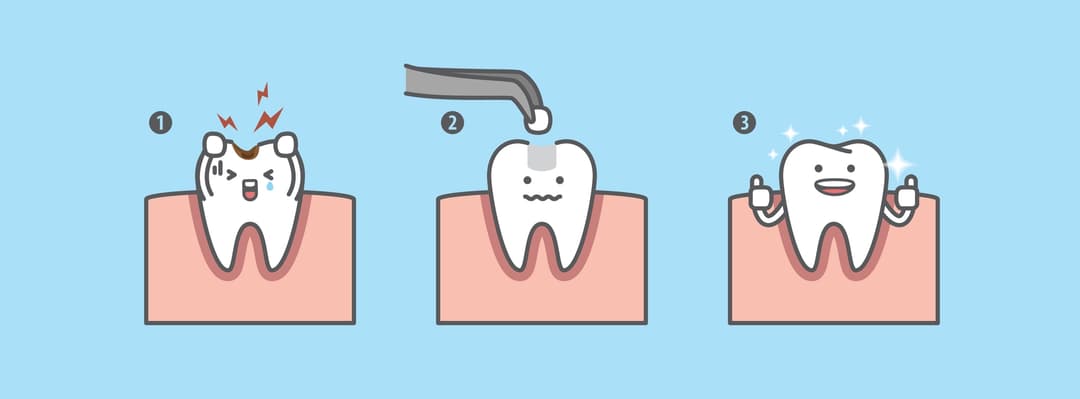
Baby teeth in children play a crucial role beyond just chewing and aiding in speech formation; they also reserve the necessary space for the subsequent permanent teeth. Although baby teeth are eventually replaced, their health remains vital. Filling treatments are essential when cavities occur in these teeth.
Reason for Treatment:
Filling treatments for cavities in baby teeth are not just about preventing further decay; they are crucial to ensure the normal development and alignment of permanent teeth in the future, safeguarding the overall oral health of the child.
Treatment Process:
During the filling treatment, the dentist first removes the damaged tooth tissue and decay. Then, specialized filling materials are used to fill the damaged area, restoring the tooth's original shape and function. Understanding that children may feel fearful, dentists employ various techniques and professional methods to make the treatment process smoother and significantly reduce the child’s discomfort.
Difference from Adult Treatments:
Given the comparatively fragile structure of baby teeth, the chosen filling materials must be more flexible and adaptable. Furthermore, considering the shorter lifespan of baby teeth, the materials used may differ from those typically chosen for adult permanent teeth.
Protecting and maintaining the health of children's baby teeth is a responsibility shared by parents and dentists alike. Through proper filling treatments, we not only ensure the child's current oral health but also lay a solid foundation for the growth of their future permanent teeth.
Pediatric Dental Service #4:Pediatric Root Canal Treatment for Baby Teeth
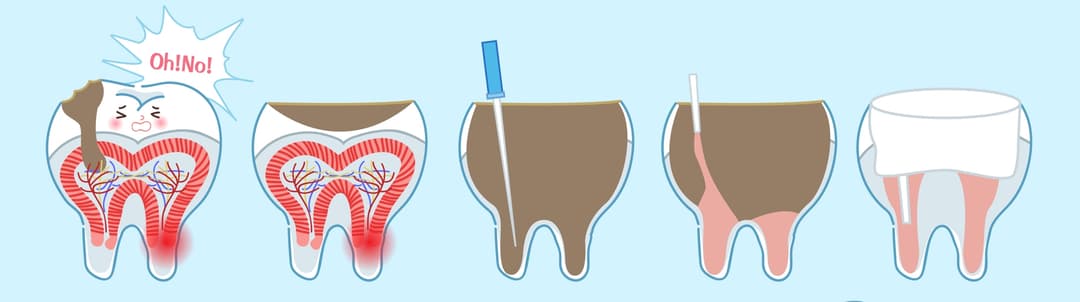
When cavities in a child's baby teeth penetrate deep into the pulp layer, a pediatric root canal treatment becomes indispensable. The pulp is the soft tissue inside a tooth containing nerves, blood vessels, and connective tissues. Infection or damage to this area can cause severe pain.
Reason for Treatment:
Deep cavities reaching the dental pulp can lead to intense discomfort and pain. Root canal treatment can alleviate this pain in children. If left untreated, the infection might spread to surrounding tissues, leading to more severe health issues, such as dental abscesses. Although baby teeth will eventually be replaced by permanent teeth, they play a crucial role in aiding children to chew food and in ensuring the correct alignment of the permanent teeth. Therefore, one of the primary goals of treatment is the preservation of these baby teeth.
Treatment Process:
Initially, the dentist will administer anesthesia to ensure the child's comfort throughout the procedure. The dentist then opens the crown of the tooth and removes the infected or damaged pulp tissue. The next stage of treatment involves cleaning and disinfecting the inside of the tooth, followed by filling and sealing it with special materials designed for children's teeth. Lastly, to strengthen the tooth's structure, a dental crown might be placed.
Difference from Adult Treatments:
Several distinctions exist between root canal treatment in children's baby teeth and in adult teeth. First, the smaller size of baby teeth and their different positioning compared to permanent teeth mean that dentists must operate with greater precision. Second, the more fragile structure of baby teeth necessitates extra caution during treatment. Moreover, the filling materials chosen for baby teeth are specifically designed, offering better flexibility and adaptability. Finally, considering children might struggle to remain still for extended periods or may experience anxiety, dentists might employ special strategies or techniques, or opt to break the treatment into several shorter sessions.
Although the basic principles of root canal treatment for baby teeth and adult teeth are similar, there are many differences in the specific techniques and approaches. This requires dentists treating children's dental issues to be exceptionally careful and experienced.
Pediatric Dental Service #5:Extraction of Baby Teeth
Baby teeth, the primary teeth in a child's mouth, are gradually replaced by permanent teeth as a child grows. However, in certain special circumstances, it might become necessary to extract these baby teeth prematurely.
Reason for Treatment:
When baby teeth are compromised by decay or external damage, they can cause pain or other oral health issues. If a filling or root canal treatment is not suitable for the affected baby tooth, early extraction might be recommended to protect the child's overall oral health and prevent further complications.
Treatment Process:
Extracting a baby tooth is not a simple procedure; it requires the dentist's extensive experience and skill. Initially, the dentist administers local anesthesia to ensure the process is smooth and pain-free for the child. Subsequently, the dentist employs specialized tools to ensure the baby tooth is removed smoothly. Following the extraction, appropriate aftercare advice is provided to ensure the child recovers smoothly.
Difference from Adult Treatments:
There are significant differences between the dental and oral structures of children and adults. Extraction in children is often more complex than in adults, due to the delicacy of their teeth and gum tissues. Moreover, considering that children might feel fearful about the treatment, dentists take extra care to perform the procedure in a gentler manner.
The extraction of baby teeth is a professional dental procedure, primarily aimed at ensuring and maintaining a child's oral health. A skilled pediatric dentist can guarantee that the treatment process is both safe and comfortable, offering optimal care for the young patient.
Pediatric Dental Service #6:Orthodontic Braces for Children
During the developmental stages of childhood, the health of the oral cavity and the alignment of teeth play an extremely vital role. Braces are not merely a dental technique for straightening teeth; they are the key to unlocking a child's beautiful smile.
Reason for Treatment:
As children grow, the arrangement of their teeth can be influenced by various factors such as genetics, premature loss of baby teeth, or prolonged habits of thumb sucking and pacifier use. These factors can lead to misaligned teeth which, aside from affecting appearance, may also result in poor bite alignment and other oral health issues. In such cases, braces become the preferred solution for correcting misaligned teeth.
Treatment Process:
Once a dentist determines the need for braces in a child, a comprehensive oral examination is conducted, followed by the creation of dental molds. Based on the child's dental condition and the requirements of the correction, the dentist will customize suitable braces. Throughout the treatment, regular follow-up visits are necessary to monitor the effectiveness of the braces and make adjustments for optimal alignment, guiding the teeth to move in the desired direction.
Difference from Adult Treatments:
Children, still in the growth phase, have oral structures distinctly different from adults. Their bones are softer, and teeth may move more quickly. Therefore, during orthodontic treatment for children, dentists pay special attention to the timing of correction to ensure the best possible outcome.
Braces are not only an effective tool for correcting misaligned teeth in children but also a crucial safeguard for ensuring their future oral health and the confidence to smile brightly.
Pediatric Dental Service #7:Fluoride
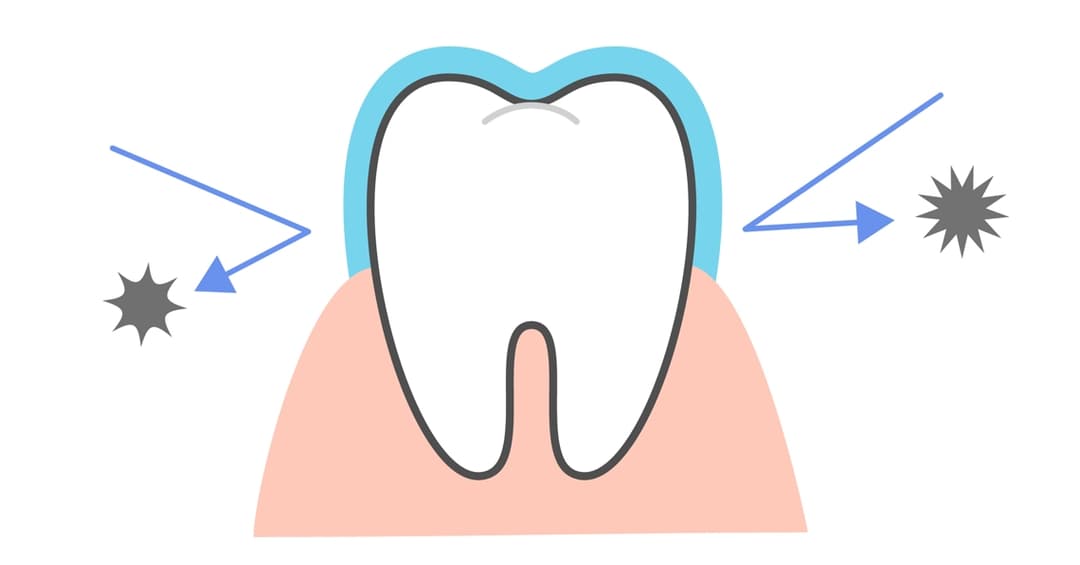
Fluoride, a naturally occurring element widespread in nature, plays an indispensable role in modern dentistry. Regular fluoride treatments help ensure dental health and prevent issues like tooth decay.
Reason for Treatment:
Fluoride is a crucial substance in preventing cavities. It strengthens teeth and enhances their resistance against acids produced by the breakdown of food and oral bacteria. Teeth that have not undergone fluoride treatment for extended periods may become more susceptible to decay.
Treatment Process:
Fluoride treatment is a simple and quick procedure. A dentist or dental hygienist applies a fluoride gel or liquid to the teeth, which is then rinsed off after a short duration. Additionally, dentists may recommend using fluoride toothpaste or mouthwash to ensure daily fluoride intake.
Differences from Adult Treatment:
Fluoride treatments vary between children and adults. The more delicate nature of children's teeth may necessitate lower doses and concentrations of fluoride, as well as more frequent applications. In adults, due to the long-term wear of teeth and specific dietary habits, fluoride treatments remain essential, particularly for those with a higher risk of dental problems. Irrespective of age, individual treatment needs are unique, making close collaboration with a dentist essential.
Fluoride treatment is a protective measure for dental health. Everyone, regardless of age, should regularly undergo fluoride treatments as a crucial step in maintaining oral health.
Pediatric Dental Service #8:Fissure Sealant
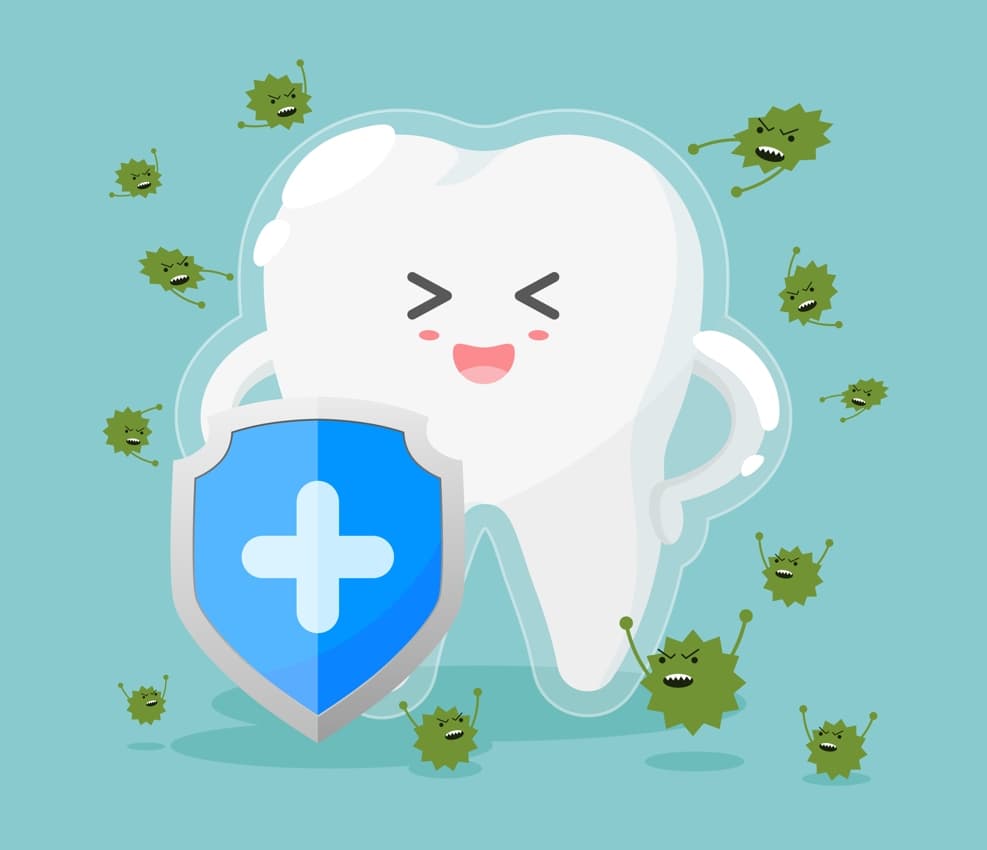
In the field of dental care, the introduction of fissure sealants marks a revolutionary approach. These sealants are specially crafted to reinforce the chewing surfaces of teeth, providing a strong barrier and heralding a healthier future for oral health.
Reason for Treatment:
The chewing surfaces of teeth often feature deep grooves, which easily trap food and bacteria, thereby increasing the risk of cavities. The main goal of fissure sealants is to offer a protective coating over the teeth, preventing the accumulation of these food particles and bacteria and thus reducing the potential for cavities.
Treatment Process:
The process is relatively simple. Initially, the dentist meticulously cleans and dries the teeth. Subsequently, the fissure sealant is applied to the chewing surfaces and quickly cured with a special light for a few seconds. The entire procedure is painless and swift.
Differences from Adult Treatment:
While fissure sealants are beneficial for both adults and children, they are especially critical for children, whose new teeth are particularly vulnerable to cavities. Therefore, applying fissure sealants to children's teeth is often considered a part of preventive dental care. In contrast, adults might contemplate using fissure sealants when their teeth have already experienced some degree of damage or wear.
Fissure sealants offer an important protective barrier for our teeth, aiding in the fight against the risk of cavities. As a key step in maintaining oral health, this preventive measure is crucial for people of all ages.
Pediatric Dental Service #9:Treating under Monitored Anesthesia
Using anesthesia during dental treatments can be an extremely practical method, particularly for certain patients, such as children, ensuring that they have a comfortable and safe experience while undergoing treatment.
Reason for Treatment:
Children, due to their fear and sensitivity to the unknown, often feel frightened of dental treatments. This fear can cause them discomfort during the treatment and affect their cooperation. To ensure the smooth progression of the treatment and to lessen the anxiety of the children, monitored anesthesia becomes an ideal choice. Furthermore, it is particularly applicable when children require longer, more complex surgeries, or when multiple treatments need to be completed in one session. Children with special needs may also be recommended for this method.
Treatment Process:
When it's decided to conduct the treatment under monitored anesthesia, the professional dental team will first carry out a comprehensive health assessment to ensure the safety of the anesthesia. Then, an appropriate form of anesthesia will be administered to relax the child, followed by the commencement of the treatment. After the treatment, the anesthesia will gradually wear off, with the child recovering under the careful supervision of the medical professionals.
Differences from Adult Treatment:
Compared to adults, children often experience a stronger sense of fear and anxiety towards dental treatments due to their younger emotional and cognitive development. Most adults are able to clearly understand the process of dental treatments, thus can cooperate with the dentist's procedures without relying on anesthesia. However, for children, monitored anesthesia provides an ideal treatment environment, ensuring that they complete the treatment in a state free from fear and tension.
In pediatric dental care, the appropriate use of anesthesia ensures the smooth progression of the treatment and offers children a pain-free, comfortable treatment experience. Additionally, it also ensures the quality of the treatment and the safety of the children. Before considering the use of monitored anesthesia for children, parents should have a thorough discussion with the dentist to understand all the risks and benefits.
Pediatric dentistry involves more than just caring for children's teeth; it encompasses their overall health, self-confidence, and future quality of life. The range of services offered in this field, from basic check-ups and cleanings to specialized treatment methods, is carefully tailored to meet the unique needs of children. This aims to ensure that our young ones maintain strong, healthy teeth. Parents should ensure that their children develop good oral hygiene habits from an early age - habits that will stay with them for a lifetime. Children's oral health is the cornerstone of their lifelong well-being. Therefore, parents should give it the necessary attention, regularly monitor it, and choose the most suitable dental services to lay a solid foundation for their future.
How to make an appointment?
1. Click the WhatsApp button on the website (priority recommendation) - get in touch with us now!
2. Call 3956 9387 (during office hours)
If you would like to learn more about pediatric treatment, click HERE to take a quick look at our educational articles.
Reminder - You have the right to choose a different dentist according to your own needs. It is recommended that you refer to the list of registered dentists uploaded on the official website of the Dental Council of Hong Kong to make the choice that best meets your personal needs. The above content is intended to give you a brief introduction to the nature and impact of related dental procedures, so that you can make an informed decision when choosing a dentist and related treatment methods. All treatment methods have pros and cons, the key is that you must have a basic understanding of the different treatment methods and procedures and understand the associated risks. At the same time, the above content does not represent the professional opinions or opinions of any dentist or dental institution. For the sake of your health, please seek formal medical advice from your family dentist.